
Local LLM VRAM Race: Can AMD’s AT0 Take the Lead From NVIDIA With a 512-Bit Bus?
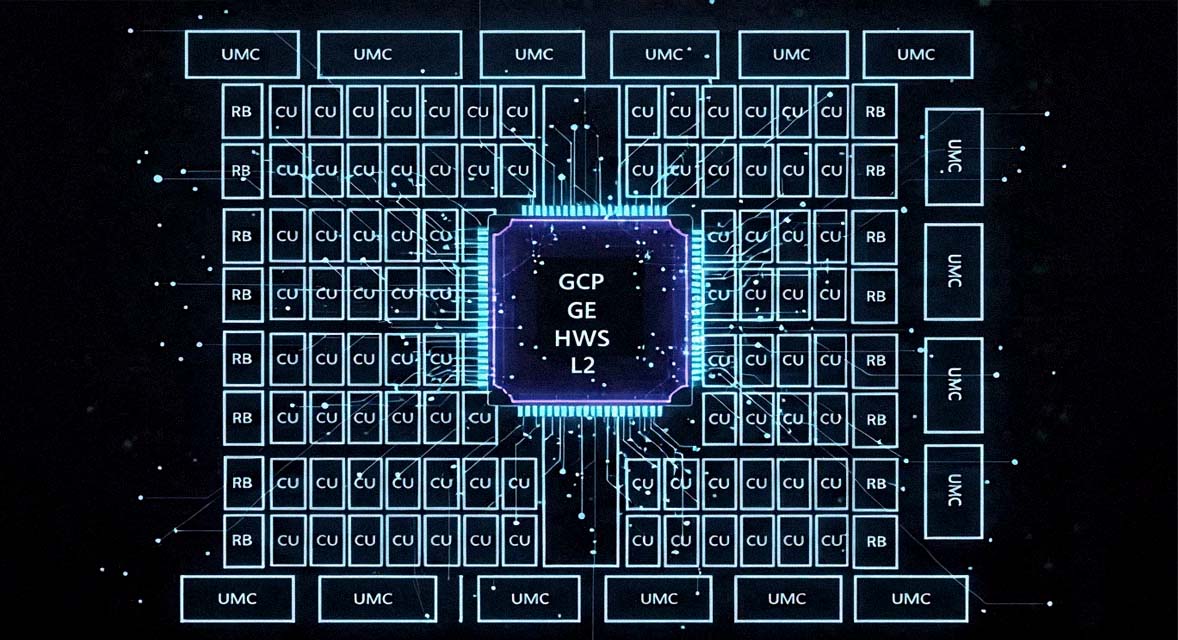
The latest rumors around AMD’s upcoming RDNA5 flagship, codenamed AT0, suggest a 512-bit memory bus paired with GDDR7. For anyone running large quantized LLMs locally, this is the part of the leak worth paying attention to – not the shader counts or gaming benchmarks. If the leak is accurate, bandwidth and VRAM capacity could finally shift in a way that makes single-card solutions more practical for large-scale inference.
Why the 512-Bit Bus Matters
Right now, NVIDIA’s top cards set the tone. The RTX 5090 (32 GB) and RTX Pro 6000 (96 GB) both run on a 512-bit memory bus with GDDR7 at 28 Gbps, pushing 1.79 TB/s of bandwidth. For running LLMs, especially 70B+ in 4-bit, this level of throughput is critical. A 512-bit GDDR7 implementation at 32 Gbps could exceed 2.0 TB/s, giving AT0 a real chance to compete with NVIDIA in bandwidth-heavy workloads like high-layer-count transformer inference.
If AMD keeps the full 512-bit configuration on a consumer-facing SKU, it would mean the possibility of 48 GB, 64 GB, or even 96 GB VRAM configs. For local LLM users, that’s the difference between running 70B to 120B models on one GPU vs. being forced into multi-GPU setups or server pulls.
VRAM Speculation: 32 GB Isn’t Enough
If AMD plays it safe and mirrors NVIDIA’s 32 GB on the flagship, the card risks being another gamer-first release with little appeal for AI workloads. But if they decide to differentiate by going 48 GB or higher on a consumer card, it changes the game for hobbyists who want to stay on a single workstation. Even 64 GB of GDDR7 at 512-bit would mean direct competition with NVIDIA’s $10K workstation GPUs – but likely at a fraction of the cost.
Performance-Per-Dollar Outlook
The 7900 XTX already proved AMD can undercut NVIDIA on pricing, even if driver support and software stacks are weaker on the AI side. If AT0 lands with 48–64 GB of VRAM and >2 TB/s bandwidth, AMD could position itself as the best value card for local inference. On the flip side, if they cut it down to a 384-bit / 36 GB version for consumers, then the 512-bit variant may remain locked behind AI/server branding – out of reach for price-conscious LLM enthusiasts.
Final Thoughts
The AT0 leak highlights the one thing that matters most for our workloads: bandwidth and VRAM. Shader counts and gaming rasterization performance are noise compared to whether AMD actually ships a 512-bit consumer card with more than 32 GB of GDDR7. If they do, AMD might finally offer a single-card option that can rival NVIDIA’s workstation line for local LLM inference.
If they don’t, then AT0 risks being another missed opportunity – an architecture with the right silicon, but handicapped by segmentation. For now, the smartest play is to wait and see if AMD commits to large VRAM consumer SKUs. If they release a 64 GB, 512-bit AT0, that could be the first real NVIDIA alternative for high-end local inference.


Leave a Reply
No comments yet.